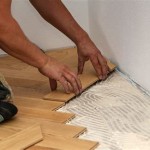
Whitewash Wood Flooring: A Comprehensive Guide
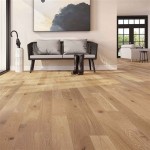
Whitewash wood flooring, a popular choice for homeowners and designers, offers a light, airy aesthetic that can transform the ambiance of any space. This finish involves applying a white or light-toned stain or paint to wood flooring, allowing some of the natural wood grain to show through. The resulting effect is a blend of rustic charm and modern sophistication, making it a versatile option for various interior design styles.
The appeal of whitewash wood flooring lies in its ability to create a sense of spaciousness and brightness. It reflects light effectively, making rooms appear larger and more inviting. Furthermore, this type of flooring complements a wide range of color palettes, from cool blues and grays to warm neutrals and vibrant pops of color. Its neutral undertones provide a flexible foundation for decorating and furnishing a home.
The process of achieving a whitewashed look on wood flooring can vary depending on the desired effect and the type of wood. It often involves preparing the wood surface, applying the whitewash finish, and sealing the floor to protect it from wear and tear. Understanding the nuances of this process, including the types of wood suitable for whitewashing and the various application techniques, is crucial for achieving a successful and lasting result.
Understanding the Whitewash Process
The process of whitewashing wood flooring is more than simply applying white paint. It’s a delicate balance of allowing the natural wood grain to peek through while imparting a light, airy tone. The first step involves careful preparation of the wood surface. This typically involves sanding the floor to remove any existing finishes, dirt, or imperfections. The goal is to create a smooth, even surface that will readily accept the whitewash treatment.
Following sanding, the floor must be thoroughly cleaned to remove any dust or debris. Vacuuming and then wiping the floor with a damp cloth are essential steps in this preparation phase. Any remaining particles can interfere with the adhesion of the whitewash finish and compromise the final result.
The selection of the whitewashing product is crucial. Options range from diluted paints to specialized whitewash stains. Diluted paints, often latex-based, offer a more opaque finish, while stains tend to be more translucent, allowing more of the wood grain to show through. The choice depends on the desired level of coverage and the overall aesthetic goal. Water-based products are generally preferred for their low VOC (volatile organic compounds) content, contributing to better indoor air quality.
The application technique is another critical aspect of the process. Applying the whitewash finish thinly and evenly is paramount. Multiple thin coats are generally preferred over a single thick coat, as this allows for better control over the final color and prevents the finish from appearing blotchy or uneven. A brush, roller, or even a rag can be used to apply the finish, depending on the desired texture and effect.
After applying the whitewash finish, it is essential to allow it to dry completely according to the manufacturer's instructions. Once dry, a protective sealant should be applied to protect the whitewashed floor from scratches, stains, and moisture. Polyurethane, water-based sealers, and oil-based sealers are common choices, each offering different levels of durability and sheen.
Choosing the Right Wood for Whitewashing
Not all wood species are created equal when it comes to whitewashing. Certain wood types are more receptive to the process and yield more aesthetically pleasing results. The grain pattern, hardness, and color of the wood all play a role in how the whitewash finish will appear.
Hardwoods, such as oak, maple, and ash, are generally excellent choices for whitewashing. Oak, with its prominent grain pattern, is particularly well-suited, as the whitewash finish accentuates the grain, creating a visually appealing texture. Maple, with its tighter grain, provides a smoother, more uniform look when whitewashed. Ash, similar to oak, also boasts a distinct grain pattern that complements the whitewash finish.
Softwoods, such as pine and fir, can also be whitewashed, but they require more careful preparation. These woods tend to be softer and more porous, which can lead to uneven absorption of the whitewash finish. Proper sanding and sealing are crucial to ensure a consistent and durable result. Knotty pine, with its rustic character, can be particularly attractive when whitewashed, as the knots add to the overall visual interest.
The natural color of the wood will also influence the final outcome. Lighter woods, such as maple and ash, will require fewer coats of whitewash to achieve the desired effect. Darker woods, such as walnut and cherry, may require multiple coats or a tinted primer to lighten the base color before applying the whitewash finish. It is essential to test the whitewash finish on a small, inconspicuous area of the floor to assess the final color and appearance before applying it to the entire surface.
Consider the existing architecture and design of the space when choosing the wood species. A rustic cottage might benefit from the character of knotty pine, while a modern apartment might be better suited to the clean lines of maple. Matching the wood species to the overall style of the room will create a cohesive and harmonious aesthetic.
Maintaining Whitewash Wood Floors
Maintaining whitewash wood floors is crucial for preserving their beauty and extending their lifespan. While the whitewash finish offers a protective layer, regular cleaning and care are necessary to prevent damage from dirt, scratches, and moisture.
Regular sweeping or vacuuming is essential for removing loose dirt and debris. Use a soft-bristled broom or a vacuum cleaner with a floor brush attachment to avoid scratching the surface. Pay particular attention to high-traffic areas, where dirt and grit can accumulate more quickly.
When mopping whitewash wood floors, use a damp rather than a wet mop. Excess water can seep into the wood and damage the finish. Use a pH-neutral cleaner specifically designed for wood floors. Avoid using harsh chemicals, abrasive cleaners, or steam mops, as these can strip the finish and dull the appearance of the floor.
Protect whitewash wood floors from scratches by using felt pads under furniture legs. These pads will prevent furniture from scratching the floor when it is moved. Avoid wearing shoes with hard soles or high heels on the floor, as these can also cause scratches.
Area rugs can also help to protect whitewash wood floors from wear and tear, especially in high-traffic areas. Choose rugs with a non-slip backing to prevent them from sliding and scratching the floor. Regular cleaning of area rugs is also important to prevent dirt and debris from being transferred to the floor.
Sunlight can also fade or discolor whitewash wood floors over time. Use curtains or blinds to protect the floor from direct sunlight during peak hours. Consider applying a UV-resistant sealant to help prevent fading.
If the whitewash finish becomes damaged or worn, it may be necessary to reapply the finish. This involves sanding the floor to remove the old finish, applying a fresh coat of whitewash, and sealing the floor. It is generally best to hire a professional flooring contractor to perform this task, as it requires specialized equipment and expertise.
By following these maintenance tips, whitewash wood floors can retain their beauty and charm for many years to come. Regular cleaning, protection from scratches and moisture, and prompt repair of any damage will ensure that the floor remains a stunning feature of the home.
Whitewash wood flooring offers a unique and versatile option for homeowners seeking a bright, airy, and stylish living space. Understanding the process, choosing the right wood, and implementing proper maintenance practices are key to achieving and preserving the desired aesthetic.

Whitewash Hardwood Floors Wood Flooring La

Diy Whitewashed Wood Floors Renovation Semi Pros

Wood Floor Refinishing And Whitewashing The Honeycomb Home

Studio Hardwood Flooring Stained Or Whitewashed Addicted 2 Decorating

Nostalgiecat How To Whitewash Wooden Flooring

Are Whitewashed Floors Coming Back

Diy Whitewashed Wood Floors Renovation Semi Pros

Trendy Whitewashed Hardwood Floors

60 Cozy Whitewashed Floors Décor Ideas Digsdigs

Are Whitewashed Hardwood Floors Still Popular Keystone Floor Care Inc
Related Posts