How Much Does Vinyl Tile Flooring Cost Per Square Foot?
Vinyl tile flooring has become a popular choice for homeowners and businesses alike due to its durability, versatility, and relatively low cost. Understanding the factors that influence the price per square foot is crucial for budgeting and making informed decisions about flooring projects. This article will explore the various components contributing to the overall cost of vinyl tile flooring, including the different types of vinyl tile, installation expenses, and regional price variations.
The price of vinyl tile flooring, quoted per square foot, typically encompasses the cost of the material itself. However, it's essential to differentiate this from the total project cost, which includes subfloor preparation, installation labor, and any necessary accessories like adhesives, grout (if applicable), and transition strips. Accurately estimating the total cost requires a comprehensive understanding of all these contributing factors.
Material Costs: Understanding the Different Types of Vinyl Tile
The material cost of vinyl tile flooring is significantly influenced by the type of vinyl used. There are primarily three types of vinyl tile available in the market: Sheet Vinyl, Vinyl Composition Tile (VCT), and Luxury Vinyl Tile (LVT). Each type offers different features, benefits, and corresponding price points.
Sheet vinyl flooring is sold in large, continuous sheets, typically 6 or 12 feet wide. This minimizes the number of seams, making it a waterproof option suitable for bathrooms, kitchens, and laundry rooms. Due to its manufacturing process and larger format, sheet vinyl is generally the least expensive option, often ranging from $0.50 to $2.00 per square foot for the material itself. However, professional installation is strongly recommended to ensure a smooth, seamless finish. The installation cost can offset some of the initial savings.
Vinyl Composition Tile (VCT) is a more rigid tile composed of colored polyvinyl chloride (PVC) chips fused together. VCT is known for its durability and affordability, making it a common choice for commercial spaces, schools, and hospitals. The material cost for VCT generally falls between $0.75 and $3.00 per square foot. VCT requires regular maintenance, including waxing and polishing, to maintain its appearance and longevity. While the initial material cost is low, the ongoing maintenance expenses should be considered.
Luxury Vinyl Tile (LVT) represents the higher end of the vinyl tile spectrum. It is designed to replicate the look and feel of natural materials like hardwood, stone, and ceramic tile. LVT is available in various styles, including planks (LVP) and square tiles. It often incorporates features like embossed textures and realistic visual detailing to enhance its aesthetic appeal. LVT is typically thicker than sheet vinyl and VCT, providing improved comfort underfoot and enhanced durability. The material cost for LVT ranges from $2.50 to $7.00 per square foot, depending on the quality, design, and brand.
Within the LVT category, there are further distinctions. Some LVT products are designed for glue-down installation, while others feature a click-lock system for easier floating installation. Click-lock LVT is generally more expensive than glue-down LVT. Furthermore, the thickness of the wear layer, which protects the tile from scratches and wear, affects the price. A thicker wear layer increases the tile's resistance to damage and extends its lifespan, justifying a higher price point.
When comparing different types of vinyl tile, consider not only the initial material cost but also the long-term costs associated with maintenance and replacement. While sheet vinyl and VCT may appear more budget-friendly upfront, LVT's durability and aesthetic appeal may make it a more cost-effective choice in the long run, especially in high-traffic areas.
Installation Costs: Professionals vs. DIY and Associated Expenses
Installation costs can significantly impact the overall price per square foot of vinyl tile flooring. These costs encompass subfloor preparation, labor charges, and any necessary materials like adhesives or grout. The installation method and the complexity of the project influence the labor costs.
Professional installation is generally recommended for sheet vinyl flooring, as it requires specialized skills and equipment to ensure a seamless, watertight finish. The cost of professional sheet vinyl installation can range from $2.00 to $5.00 per square foot, depending on the complexity of the layout and the condition of the subfloor.
VCT installation typically requires professional expertise, especially in commercial settings. The cost of professional VCT installation can range from $1.50 to $4.00 per square foot, depending on the size of the area and the complexity of the design. Proper preparation of the subfloor is essential for VCT installation to prevent tiles from cracking or coming loose.
LVT installation can be approached with a DIY mindset, particularly for click-lock systems. However, even with click-lock LVT, careful attention to detail and proper subfloor preparation are crucial for a successful installation. Professional LVT installation can range from $2.00 to $6.00 per square foot, depending on the installation method (glue-down or click-lock), the complexity of the pattern, and the condition of the subfloor.
The condition of the subfloor is a critical factor in determining installation costs. A level, clean, and dry subfloor is essential for any type of vinyl tile installation. If the existing subfloor is uneven, damaged, or contaminated, it may need to be repaired or replaced before installing the vinyl tile. Subfloor preparation can add significantly to the overall cost of the project. The cost of subfloor preparation can range from $0.50 to $3.00 per square foot, depending on the extent of the work required. This may include patching holes, leveling uneven surfaces, and applying a self-leveling compound.
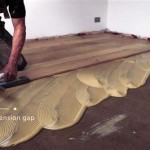
In addition to labor costs, there are other installation-related expenses to consider. Adhesives, grout, and transition strips are necessary accessories that add to the overall cost. The type and quantity of adhesive required will depend on the type of vinyl tile and the subfloor material. Grout is only needed for certain types of LVT that mimic the look of ceramic tile. Transition strips are used to create a smooth transition between the vinyl tile flooring and other flooring materials, such as carpet or hardwood.
DIY installation can save on labor costs, but it also requires time, effort, and the right tools. It is important to accurately measure the space, cut the tiles precisely, and follow the manufacturer's instructions carefully. Mistakes during DIY installation can result in wasted materials, uneven surfaces, and a less professional finish. If unsure about DIY skills, it is best to hire a professional installer to ensure a high-quality and long-lasting result.
Regional Price Variations and Additional Cost Factors
The cost of vinyl tile flooring can vary significantly depending on the geographical location. Labor costs, materials costs, and the local market conditions can all influence the price per square foot. Areas with a higher cost of living generally have higher labor rates, which translates to higher installation costs.
Material costs can also vary depending on the location of the supplier and the availability of specific types of vinyl tile. Transportation costs can add to the price of materials, especially in remote areas. Local building codes and regulations can also impact the types of vinyl tile that are available and the installation methods that are permitted.
The complexity of the project can also influence the overall cost. Rooms with intricate layouts, multiple corners, or unusual angles will require more time and effort to install the vinyl tile, resulting in higher labor costs. Stairs, hallways, and bathrooms often require more precise cutting and fitting, which can increase the installation time and expense.
Another factor to consider is the removal and disposal of existing flooring. If the existing flooring needs to be removed before installing the vinyl tile, this will add to the overall cost of the project. The cost of removing and disposing of old flooring can range from $0.50 to $2.00 per square foot, depending on the type of flooring and the disposal fees in the area.
Finally, it is essential to factor in a contingency fund for unexpected expenses. During the installation process, unforeseen issues may arise, such as hidden damage to the subfloor or the need for additional materials. A contingency fund of 5% to 10% of the total project cost can help to cover these unexpected expenses and prevent the project from going over budget.
In summary, the cost of vinyl tile flooring per square foot is influenced by a multitude of factors, including the type of vinyl tile, the installation method, the condition of the subfloor, the geographical location, and the complexity of the project. By carefully considering all of these factors, homeowners and businesses can accurately estimate the total cost of their vinyl tile flooring project and make informed decisions about their flooring investments.

Cost To Install Vinyl Plank Flooring A Complete Guide For 2024 Forbes Home

Average Cost Of Vinyl Flooring Installation In 2024 Forbes Home

Luxury Vinyl Tile Cost To Install Lvt Flooring Fixr

Cost To Install Vinyl Flooring Fixr

Cost To Install Vct Tile S Fixr

Cost To Install Vinyl Plank Flooring S Fixr

The Complete Guide To Flooring Costs By Type Twenty Oak

Cost To Install Vinyl Flooring Fixr

Cost To Install Vinyl Floors The Home Depot

Cost To Install Vinyl Floors The Home Depot
Related Posts