Hardwood Flooring Hardness Scale: Understanding Acacia
Choosing the right hardwood flooring for your home is a significant decision. Durability, aesthetics, and cost are key considerations, and the hardness of the wood is a crucial factor influencing its lifespan. The Janka Hardness Scale, a standardized system, measures the resistance of wood to denting and scratching, providing valuable information for flooring selection. Acacia, an increasingly popular hardwood, boasts excellent durability thanks to its high Janka rating, making it an ideal choice for high-traffic areas.
Understanding the Janka Hardness Scale
The Janka Hardness Scale, named after Austrian engineer Gabriel Janka, quantifies the force required to embed a steel ball into a piece of wood. The higher the Janka rating, the harder and more resistant the wood to dents and scratches. This scale serves as a valuable tool for comparing the durability of different wood species, helping homeowners select flooring that can withstand the wear and tear of daily life.
The scale ranges from 0 to 4000 lbf (pounds-force), with softwoods generally falling below 1000 lbf and hardwoods exceeding this threshold. Red Oak, a common choice for flooring, holds a rating of 1290 lbf, while hardwoods like Maple and Hickory boast ratings exceeding 1400 lbf.
Acacia: A Durable Choice for Hardwood Flooring
Acacia, a versatile hardwood species native to Africa, Australia, and other parts of the world, consistently earns a high Janka rating, ranging from 1600 to 2200 lbf depending on the specific variety. This impressive durability stems from its dense, tight grain structure, making it exceptionally resistant to dents, scratches, and wear. This inherent strength makes acacia flooring suitable for high-traffic areas such as entryways, kitchens, and living rooms.
Advantages of Acacia Hardwood Flooring
Beyond its remarkable durability, acacia hardwood flooring offers several other advantages:
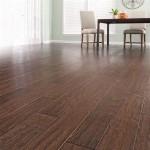
- Natural Beauty: Acacia showcases diverse colors and grain patterns, ranging from rich browns and reds to warm honey hues. This natural beauty adds character and warmth to any space.
- Versatility: Acacia seamlessly blends with various design styles, from rustic to modern, due to its diverse color palette and adaptable grain patterns.
- Sustainability: Acacia is a rapidly renewable resource, making it an eco-friendly alternative to traditional hardwood species that might require longer growth cycles.
- Cost-Effective: While acacia offers premium durability and aesthetic appeal, it remains relatively affordable, making it an attractive option for budget-conscious homeowners.
Choosing the right hardwood flooring for your home depends on your individual needs and preferences. If durability is a primary concern and you seek a flooring option that can withstand everyday wear and tear, acacia stands out as a top contender. Its high Janka rating, natural beauty, and versatility make it an excellent choice for homeowners seeking both durability and style.

Hardwood Hardness Chart Floor Depot

Acacia Flooring Hardness Scale

Janka Hardness Scale Acacia Hardwood Flooring Bamboo Lumber Wood

Janka Hardness Scale Impressions Flooring Collection

Hardwood Hardness Ratings Woodchuck Flooring San Diego

Your Guide To Finding The Most Durable Flooring Hardwood Bargains Blog Www Hardwoodbargains Com

Characteristics Of Wood For Flooring Lordparquet Floor A Professional Supplier

Durability How To Evaulate A Hardwood Floor Unique Wood Floors

Understanding The Janka Scale Hardness And Stability Ll Flooring

Found On Google From Ambientbp Com Bamboo Flooring Eucalyptus Types Of Hardwood Floors